All in all, I'd still say Bogota is definitely worth seeing. I do wish I'd planned this trip with more than 3 weeks preparation, in order to better practice Spanish and lay out a better itinerary, as there was a lot of the city that we didn't have the time to see. But for a whirlwind 5 day spring break trip to South America? It was stellar, and Kris and I learned so much more about the world, new cultures, and how much we (still) adore free water.
re·al·i·ty [ree-al-i-tee]
–noun, plural
1. the state or quality of being real.
sur·re·al [suh-ree-uhl, -reel]
–adjective
1. having the disorienting, hallucinatory quality of a dream; unreal; fantastic.
Sunday, March 24, 2019
Bogota Pt. 2
Kris and I are safely back at home now, where I'm at a much more comfortable place to blog about the remainder of our trip! I thoroughly enjoyed Bogota, although I will admit, leaving America always instills in me a sense of homesickness, as I always acutely remember everything that I love about my country when I have other places to compare it to. That certainly doesn't lessen my love for traveling, though.

Wednesday brought us some fantastic new adventures. Kris and I ventured out to Zipaquira (long ago inhabitants, the Chibcha, named the village for its abundance of salt), a small village about an hour north of Bogota known for its salt mines. Within a mountain within minutes of the village, there is an underground salt cathedral (Catedral de sal) that is quite unlike anything I've ever seen in my life, or am likely to ever see again. Driving out was an adventure in and of itself. We decided to go with a tour company because we were unsure of the likelihood of getting an Uber back to Bogota following our trip. And, the bus to Zipaquira only goes out on Saturdays. Our tire busted on the way out, but likely we were able to get the spare changed and stop for snacks at the gas station, selecting a number of different junk foods to try just for the sake of trying them.
Zipaquira itself is amazing. The tunnel in is coated in layer upon layer of salt crystals, and there are dozens of sculptures of crosses, angels, and Jesus carved into the salt. There is an actual cathedral there where churchgoers attend Sunday mass, a cavernous room containing a representation of one of Michelangelo's paintings in the Sistine chapel carved from marble, and larger than life crosses. It's incredibly difficult to describe, but I've included pictures here!


I fell asleep on the ride back, try as I might throughout my life to be an early riser (and always failing). When I awoke it was raining, and Kris and I decided to jump off the van at one of the stops north of our hotel last minute. The proceeding next few minutes in the pouring rain attempting to figure out the bus schedule in a foreign part of the city were somewhat stressful. Then, as the bus arrived, we realized that we would have had to buy a loadable card to get through the barrier - we hung back, unsure of what to do, when a woman pulled out her card and scanned us both in. "Muchas gracias", we told her, as she smiled and sat in the back of the bus. I was really touched by her kindness to two foreigners who clearly didn't understand the system. We hopped off at the Botanical Gardens with an hour left before close, wandering the lush landscape and labyrinths of trees, cacti, and flowers. The weather in Bogota is odd - it was 48 degrees and we could see our breath, but it was the balmiest 48 I've ever felt in my life, as the humidity was also 89%. It hardly felt cold at all, but my hair curled wildly regardless.
We were incredibly hangry, having skipped lunch in our rush to get to the botanical gardens in time, and grabbed dinner at a hole in the wall place called La Cuchinita, which boasted what the locals said was the best Ajiaco soup in Bogota.

Our last day in Bogota, we hiked it back to Candalaria, and ate breakfast at a place near Bolivar square called La Puerta Falsa. I realized I'd ordered WAY too much food when my cafe con leche came with a piece of bread, an english muffin, and cheese, followed by the tamale I'd ordered that was the size of my head. Altogether though, all of THAT was about $6 USD. We wandered Bolivar square, paid $3 to take photos with a pair or llamas, fed the pigeons our leftover bread, and I haggled for some earrings at one of the local markets, before making it back to our hotel for checkout.
Wednesday, March 20, 2019
Adventures in Bogota!
I don’t normally blog about my travels, however, I guess since it’s the Lenten season, I feel the need to express my excitement and thoughts over this trip in some manner. As many of you may know, Kris and I are (currently) in Bogota, Colombia, and this was somewhat of a last minute, whirlwind, haphazardly thrown together trip planned over the course of 3 weeks. Lest you think I’m a total procrastinator, I DO generally like to meticulously plan trips, but Kris and I were totally undecided over what to do during spring break this year. It WAS going to be New York... and then Denver... but lo and behold, I was online in bed one evening, and just happened to spy $260 round trip tickets to Bogota. I feel as though my planning self wars with my highly spontaneous self at times - this is one scenario in which the spontaneous side won out, as I pranced down the hall of our condo singing how cool it would be if we went to a foreign country on a different continent, because I mean, they were cheaper than pretty much any domestic flight. So why NOT experience something completely new, right? South America has honestly never been on my radar, but suddenly I was pretty thrilled with the thought of planning a rather vast undertaking of a trip.
So here we are, with 3 weeks of crammed Spanish in a highly unfamiliar country. My thoughts are mixed - there’s the overall thrill (Bogota is incredible, and if you never plan to go, I’d highly recommend you put it on your travel list). There’s the panic (mi espanol es malo) and there’s some general skeevy areas that we’ve learned to just avoid. My purse has an anti theft feature on it and we have to be generally watchful, because the city is known for pickpocketers. And even the smallest undertakings require a lot more energy in general, because I find not many individuals speak English here (nor do I expect them to), so it’s a little nervewracking to go to markets and get street food. But overall, this experience has been massively enriching. I can’t describe the kind of fulfillment I feel from witnessing new sights and experiencing completely new things. It also continues to give me appreciation for my American passport, and how precious my citizenship is to a country that I criticize often, but am actually extremely blessed to belong to. My travels in Europe as well as my experiences in South America have made me realize this. Maybe it’s because simply nothing compares to the feeling of belonging, but there’s so many things we take for granted in America. Central heat and air. Free water at restaraunts. Free bathrooms, and nice ones. The expectation that most hotel rooms have warm showers, coffee makers, and internet. All of these are things not necessarily guaranteed here, which has given me a lot of perspective on how other people live and my own unique privileges. My experience with the people of Bogota has been mixed - in general, people have been nice, although we’ve gotten the occasional shit talking that we’ve caught glimmers of in Spanish, which to be fair, I’ve found I stick out like a literal sore thumb with my green eyes, blonde hair, and very pale skin - plus, to mention again, my bad Spanish. But I can’t fault anyone for that, honestly. I can see why tourists - and American ones, no doubt - can be unwelcome, especially given our current political climate today. I am striving to be respectful as well as to not expect anyone to speak my language while here. And I am cherishing the opportunity to educate myself on different cultures. All that being said, here’s some photos of our experiences thus far! Also, please excuse any typos - this is all getting posted from my phone!


Day 1 consisted of arriving at around 12:40 pm local time (Colombia is in the central time zone; and actually only about a 5.5 hour plane ride). I always feel like a little kid of planes! We flew over Cuba and Jamaica, both of which I caught glimpses of. And flying in to Bogota...what an experience! I’ve never witnessed such rolling green hills. England was green, and Ireland was too. But this was GREEN. Bogota itself has one of the highest altitudes of any capital city. It’s nestled somewhat within the Andes, and it’s sprawling. It seems to go on and on. Our cab experience was fairly sub par (we’ll stick to Uber next time, I highly recommend you familiarize yourself with the money as well as somewhat decent Spanish before hopping in a cab here), and I think we were both generally a little stressed out, having started the day at 4 am and then being grilled by customs in Spanish, finding an ATM to get Colombian pesos, and finding our hotel. We had dinner in a really cool, religious themed restaraunt, and successfully ordered in Spanish, and then slept FOREVER.
Day 2 consisted of hiking Monserrate, an incredibly steep mountain with a cathedral built on top hundreds of years ago. It’s also prudent of me to mention that, with the altitude being what it is, it’s already hard to breathe if you’re from, say, Florida. Even the LIGHTEST bit of exertion makes you winded and it’s generally harder to breathe. Add climbing 3000 extra meters up an extremely steep mountain of stairs and you have a recipe for stopping every 5 minutes lol that hike was worthwhile but hella miserable. But hands down one of the COOLEST parts of Bogota (see photos). Got a pretty gnarly sunburn because I forgot sunscreen. And there’s cool shops set up along the way. Plus bathrooms costing about $600-1000 pesos to use (about .50 c USD).
Following our hike, we took the funicular down, and then explored La Candalaria (Bogota’s Historic district), tried our hands at haggling at some markets, saw the Bolivar museum and plaza, waded through the biggest sea of pigeons I’ve ever seen in my life, saw a llama, and then took a nap and ate at the hotel because we were WIPED.

Day 3 (today) consisted of Museo del Oro preceded by an amazing breakfast ft. a tamale larger than my head (Day 2 consisted of chocolate y queso, which in Colombia, you place the cheese into the queso), and general exploration of the city. We attempted a trip to Paloquemao market, but the way there was so sketch, we unfortunately decided to turn around, and ended up exploring more of Santa Fe and the local parks instead. We also ate dinner at a really authentic hole in the wall place, and felt a lot more comfortable talking in Spanish! Our hotel also has a sauna and steam room + a pool, so we spent the rest of the evening relaxing our sore muscles from yesterday’s hike. We still have 1.5 more days in Bogota left to go, and I can definitely say, it’s an experience I will always cherish and never forget!
So here we are, with 3 weeks of crammed Spanish in a highly unfamiliar country. My thoughts are mixed - there’s the overall thrill (Bogota is incredible, and if you never plan to go, I’d highly recommend you put it on your travel list). There’s the panic (mi espanol es malo) and there’s some general skeevy areas that we’ve learned to just avoid. My purse has an anti theft feature on it and we have to be generally watchful, because the city is known for pickpocketers. And even the smallest undertakings require a lot more energy in general, because I find not many individuals speak English here (nor do I expect them to), so it’s a little nervewracking to go to markets and get street food. But overall, this experience has been massively enriching. I can’t describe the kind of fulfillment I feel from witnessing new sights and experiencing completely new things. It also continues to give me appreciation for my American passport, and how precious my citizenship is to a country that I criticize often, but am actually extremely blessed to belong to. My travels in Europe as well as my experiences in South America have made me realize this. Maybe it’s because simply nothing compares to the feeling of belonging, but there’s so many things we take for granted in America. Central heat and air. Free water at restaraunts. Free bathrooms, and nice ones. The expectation that most hotel rooms have warm showers, coffee makers, and internet. All of these are things not necessarily guaranteed here, which has given me a lot of perspective on how other people live and my own unique privileges. My experience with the people of Bogota has been mixed - in general, people have been nice, although we’ve gotten the occasional shit talking that we’ve caught glimmers of in Spanish, which to be fair, I’ve found I stick out like a literal sore thumb with my green eyes, blonde hair, and very pale skin - plus, to mention again, my bad Spanish. But I can’t fault anyone for that, honestly. I can see why tourists - and American ones, no doubt - can be unwelcome, especially given our current political climate today. I am striving to be respectful as well as to not expect anyone to speak my language while here. And I am cherishing the opportunity to educate myself on different cultures. All that being said, here’s some photos of our experiences thus far! Also, please excuse any typos - this is all getting posted from my phone!


Day 1 consisted of arriving at around 12:40 pm local time (Colombia is in the central time zone; and actually only about a 5.5 hour plane ride). I always feel like a little kid of planes! We flew over Cuba and Jamaica, both of which I caught glimpses of. And flying in to Bogota...what an experience! I’ve never witnessed such rolling green hills. England was green, and Ireland was too. But this was GREEN. Bogota itself has one of the highest altitudes of any capital city. It’s nestled somewhat within the Andes, and it’s sprawling. It seems to go on and on. Our cab experience was fairly sub par (we’ll stick to Uber next time, I highly recommend you familiarize yourself with the money as well as somewhat decent Spanish before hopping in a cab here), and I think we were both generally a little stressed out, having started the day at 4 am and then being grilled by customs in Spanish, finding an ATM to get Colombian pesos, and finding our hotel. We had dinner in a really cool, religious themed restaraunt, and successfully ordered in Spanish, and then slept FOREVER.
Day 2 consisted of hiking Monserrate, an incredibly steep mountain with a cathedral built on top hundreds of years ago. It’s also prudent of me to mention that, with the altitude being what it is, it’s already hard to breathe if you’re from, say, Florida. Even the LIGHTEST bit of exertion makes you winded and it’s generally harder to breathe. Add climbing 3000 extra meters up an extremely steep mountain of stairs and you have a recipe for stopping every 5 minutes lol that hike was worthwhile but hella miserable. But hands down one of the COOLEST parts of Bogota (see photos). Got a pretty gnarly sunburn because I forgot sunscreen. And there’s cool shops set up along the way. Plus bathrooms costing about $600-1000 pesos to use (about .50 c USD). Following our hike, we took the funicular down, and then explored La Candalaria (Bogota’s Historic district), tried our hands at haggling at some markets, saw the Bolivar museum and plaza, waded through the biggest sea of pigeons I’ve ever seen in my life, saw a llama, and then took a nap and ate at the hotel because we were WIPED.

Day 3 (today) consisted of Museo del Oro preceded by an amazing breakfast ft. a tamale larger than my head (Day 2 consisted of chocolate y queso, which in Colombia, you place the cheese into the queso), and general exploration of the city. We attempted a trip to Paloquemao market, but the way there was so sketch, we unfortunately decided to turn around, and ended up exploring more of Santa Fe and the local parks instead. We also ate dinner at a really authentic hole in the wall place, and felt a lot more comfortable talking in Spanish! Our hotel also has a sauna and steam room + a pool, so we spent the rest of the evening relaxing our sore muscles from yesterday’s hike. We still have 1.5 more days in Bogota left to go, and I can definitely say, it’s an experience I will always cherish and never forget!
Wednesday, February 13, 2019
The Knot in My Chest.
There comes a time when you have to try to let go of the hurt. You don't even necessarily want to. But you need to. You've held it all in for so long, it forms a lump in your chest. A hard knot of a lump, that tightens in times of anxiety, or anger, or sorrow. It tightens when you're reminded of the thing that caused it.
This has been me. This is me, it has been for years. The simple truth is that it's hard. It's hard to keep your head up and keep pushing forward even when it feels like life is a game of jenga that just tries to carve out pieces of you until you fall. That is what it feels like to live with a chronic illness, sometimes. Little pieces of you keep getting taken, taken away, making your footing feel less and less steady, making you resemble even less of what you were... making you feel less in control. More and more pieces get taken away. The knot grows tighter. What will make it all come tumbling down? I think having lived a normal life before my diagnosis made me feel a little bit more bitter about it all. I prided myself on my independence, on my strength. I could make do without relying on anything, or so I thought. Coming to need a drug that is the 5th most expensive liquid in the world makes that self perceived notion come crashing down into tenuous precarity. Suddenly, you have nothing. No insurance. No medicine. No idea how to go forward. My life, since that moment, has sought to balance that sense of instability that has shooken my very core and changed my being. I gave up a part of myself and became someone new in order to learn to survive this illness. I combated one of my greatest fears, needles, and I learned how to do it on a multidaily basis. I learned the art of silent struggle - how to keep working when my body is screaming that it's low, and wait until I'm inconspicuous to eat some glucose tabs. Keep a smile on my face as a princess and wait until my back is turned to fix it. Don't ever make it seem like it keeps me from doing anything others can. Discipline myself in order to learn to keep a manageable diet as devoid of unnecessary sugar and carbohydrates as possible. Find a way to get insulin for years without insurance.
What a lump in my chest it has become. Just when I feel it's settled, when it's under control, it's at a lull - something seems to keep it rearing back.
"Lie down," Dr. Brown said, furrowing his brow. I rested my back onto the table, breathing in slow, deep breaths, staring at the flecks on the ceiling.
"Hmm. Better, but you're borderline," he said, removing the blood pressure cuff.
I felt the lump grow and tighten. "Borderline? But how?" I asked, almost incredulous. "My blood pressure has always been good."
Dr. Brown shrugged. "Has anyone ever talked to you about going on Lisinopril?"
I recognized the drug from several of my own patient's charts. I shook my head, immediately frowning, almost choking. "Lisino- no, you're kidding me."
"I'm going to start you on it. Just 2.5 mg."
I was silent. "But... but my patients are on Lisinopril. I'm 25. Old people are on Lisinopril. Not me. How can I need that?"
"Listen," he said. "It's not even really about the blood pressure. It's for your kidneys. I promise this isn't the Dr. Brown case study. This is evidence based research. Your likelihood of living another 50, 60 years without some kind of kidney disease is very unlikely. Research shows that starting you on an Ace inhibitor now can help reduce that likelihood. It's in the research."
I couldn't deny evidence based practice, the very thing I had had drilled into my own head for years and years in school. I still felt close to tears.
"I would have put you on it sooner, but we had bigger fish to fry. Like your A1C. Now that it's in a normal range, we can worry about the other stuff."
I frowned as he put in the prescription. I know it seems simple, but the reason it terrifies me is that I don't take anything about my health for granted anymore. I'm not a teenager anymore, and I always knew eating healthy and exercise was important - especially with an illness like mine - but managing your health feels more like coasting then. Even now, I felt that my coasting was starting to creep more and more into an uphill marathon. Which was annoying, because I'm a .... kinda fit 25 year old. I'm not super skinny, but I'm not anywhere close to overweight. I'm not super strong, but heck, I can still do a backbend if I stretch a little first. I don't eat unhealthy. I have an active job where I'm on my feet all day. The only thing I can really say, is that I am intensely stressed at work sometimes and don't always manage my anxiety as well as I should. I felt like I must have really screwed up in order to get here. And beyond that, I felt intense guilt. Is this what I had done to my body? Years of bad decisions, depression, and trying to manage with whatever insulin supplies I could piecemeal together. The year of rationing and dose skipping to lose weight. How sad I had been then, how anxious. How lost for help. So many times, I felt so alone in my struggle. No one knew what it had felt like to go through what I had. But what had I done to myself? Had I completely messed up everything? What if the damage was irreversible, in some ways?
I felt... fragile. Like that first week in the hospital. Things would never be as they were before that week. My attempts only made me live a lie to temporarily forget this fact. But the reality was that my life would be one of constant remembering of this fact. You are not normal. You are sick. You will always be sick. Even if I didn't feel sick... my body didn't work like it should. And keeping my health up the way a normal person would, would never be coasting. Not anymore. I know that might see silly - it's just diabetes, right? It could be worse. But that's how it feels.
I do not sit and dwell on my upset over my situation daily, but there are times when I feel a little overwhelmed by the struggle, or feel that what I'm doing is not enough. I am still the woman who prides herself on her independence. So many times in my life the ways have been few, but I have made them. When I had so little, I made what I could of it. When I didn't have a lot of money, I created a business. I built a client base. I booked gigs. I was 17. When I walked into a bank at 19 to start my first investment, the banker shook his head and grilled me for 10 minutes about my account. "This is a lot," he said. "Pardon me for asking, but what do you do?" I worked tirelessly so that I never had to worry about being able to care for myself. I worked 2 jobs and got into graduate school. My last semester of undergrad, I was in a horrific car accident. I broke up a long time relationship that turned abusive. I worked 4 jobs to make ends meet and save. I was accepted to graduate school. I uprooted my life and moved to Atlanta. I have always made a way. When I had no way to get insulin, I figured it out, exploring every avenue I could. And I feel that I can overcome most things... with an able body. But the concept of ever not having an able body terrifies me. That visit scared me for that very reason. Was that really my future? Was my future the one I helped work patients through every day? I loved my patients, but I didn't want that... I don't want that for myself. Defeated, I went to work from there. Defeated, I went home and started a regular workout regimen again. I didn't really know what else to do. Just keep up the same, but try a little harder. I've finally gotten my A1C under control. Dr. Brown actually praised me on it. He made me split my basal doses to twice a day instead of one. It's an extra injection, but it's actually made managing my sugar a lot easier. My consistent working out has allowed me to lose 15 pounds so far, and I cut my basal my almost 10 units a day (from a previous 40 units per day to 30) and my insulin to carb ratio from 1:5 to 1:10. (Basically, my insulin needs decreased). My blood pressure is 110/66. I feel good. I still worry about the future sometimes, but this year, I have good insurance. This year, I don't have to worry as much. I can focus on my health. It feels good. I am trying. It's never too late to take better care of myself.
The lump in my chest is still there. I have learned to grow in spite of. My struggle is not the hardest, and it's not the easiest. It's my own. Am I good enough to deal with it? I guess so. I hope so. I'm living through it daily and telling myself that's the case.
This has been me. This is me, it has been for years. The simple truth is that it's hard. It's hard to keep your head up and keep pushing forward even when it feels like life is a game of jenga that just tries to carve out pieces of you until you fall. That is what it feels like to live with a chronic illness, sometimes. Little pieces of you keep getting taken, taken away, making your footing feel less and less steady, making you resemble even less of what you were... making you feel less in control. More and more pieces get taken away. The knot grows tighter. What will make it all come tumbling down? I think having lived a normal life before my diagnosis made me feel a little bit more bitter about it all. I prided myself on my independence, on my strength. I could make do without relying on anything, or so I thought. Coming to need a drug that is the 5th most expensive liquid in the world makes that self perceived notion come crashing down into tenuous precarity. Suddenly, you have nothing. No insurance. No medicine. No idea how to go forward. My life, since that moment, has sought to balance that sense of instability that has shooken my very core and changed my being. I gave up a part of myself and became someone new in order to learn to survive this illness. I combated one of my greatest fears, needles, and I learned how to do it on a multidaily basis. I learned the art of silent struggle - how to keep working when my body is screaming that it's low, and wait until I'm inconspicuous to eat some glucose tabs. Keep a smile on my face as a princess and wait until my back is turned to fix it. Don't ever make it seem like it keeps me from doing anything others can. Discipline myself in order to learn to keep a manageable diet as devoid of unnecessary sugar and carbohydrates as possible. Find a way to get insulin for years without insurance.
What a lump in my chest it has become. Just when I feel it's settled, when it's under control, it's at a lull - something seems to keep it rearing back.
"Lie down," Dr. Brown said, furrowing his brow. I rested my back onto the table, breathing in slow, deep breaths, staring at the flecks on the ceiling.
"Hmm. Better, but you're borderline," he said, removing the blood pressure cuff.
I felt the lump grow and tighten. "Borderline? But how?" I asked, almost incredulous. "My blood pressure has always been good."
Dr. Brown shrugged. "Has anyone ever talked to you about going on Lisinopril?"
I recognized the drug from several of my own patient's charts. I shook my head, immediately frowning, almost choking. "Lisino- no, you're kidding me."
"I'm going to start you on it. Just 2.5 mg."
I was silent. "But... but my patients are on Lisinopril. I'm 25. Old people are on Lisinopril. Not me. How can I need that?"
"Listen," he said. "It's not even really about the blood pressure. It's for your kidneys. I promise this isn't the Dr. Brown case study. This is evidence based research. Your likelihood of living another 50, 60 years without some kind of kidney disease is very unlikely. Research shows that starting you on an Ace inhibitor now can help reduce that likelihood. It's in the research."
I couldn't deny evidence based practice, the very thing I had had drilled into my own head for years and years in school. I still felt close to tears.
"I would have put you on it sooner, but we had bigger fish to fry. Like your A1C. Now that it's in a normal range, we can worry about the other stuff."
I frowned as he put in the prescription. I know it seems simple, but the reason it terrifies me is that I don't take anything about my health for granted anymore. I'm not a teenager anymore, and I always knew eating healthy and exercise was important - especially with an illness like mine - but managing your health feels more like coasting then. Even now, I felt that my coasting was starting to creep more and more into an uphill marathon. Which was annoying, because I'm a .... kinda fit 25 year old. I'm not super skinny, but I'm not anywhere close to overweight. I'm not super strong, but heck, I can still do a backbend if I stretch a little first. I don't eat unhealthy. I have an active job where I'm on my feet all day. The only thing I can really say, is that I am intensely stressed at work sometimes and don't always manage my anxiety as well as I should. I felt like I must have really screwed up in order to get here. And beyond that, I felt intense guilt. Is this what I had done to my body? Years of bad decisions, depression, and trying to manage with whatever insulin supplies I could piecemeal together. The year of rationing and dose skipping to lose weight. How sad I had been then, how anxious. How lost for help. So many times, I felt so alone in my struggle. No one knew what it had felt like to go through what I had. But what had I done to myself? Had I completely messed up everything? What if the damage was irreversible, in some ways?
I felt... fragile. Like that first week in the hospital. Things would never be as they were before that week. My attempts only made me live a lie to temporarily forget this fact. But the reality was that my life would be one of constant remembering of this fact. You are not normal. You are sick. You will always be sick. Even if I didn't feel sick... my body didn't work like it should. And keeping my health up the way a normal person would, would never be coasting. Not anymore. I know that might see silly - it's just diabetes, right? It could be worse. But that's how it feels.
I do not sit and dwell on my upset over my situation daily, but there are times when I feel a little overwhelmed by the struggle, or feel that what I'm doing is not enough. I am still the woman who prides herself on her independence. So many times in my life the ways have been few, but I have made them. When I had so little, I made what I could of it. When I didn't have a lot of money, I created a business. I built a client base. I booked gigs. I was 17. When I walked into a bank at 19 to start my first investment, the banker shook his head and grilled me for 10 minutes about my account. "This is a lot," he said. "Pardon me for asking, but what do you do?" I worked tirelessly so that I never had to worry about being able to care for myself. I worked 2 jobs and got into graduate school. My last semester of undergrad, I was in a horrific car accident. I broke up a long time relationship that turned abusive. I worked 4 jobs to make ends meet and save. I was accepted to graduate school. I uprooted my life and moved to Atlanta. I have always made a way. When I had no way to get insulin, I figured it out, exploring every avenue I could. And I feel that I can overcome most things... with an able body. But the concept of ever not having an able body terrifies me. That visit scared me for that very reason. Was that really my future? Was my future the one I helped work patients through every day? I loved my patients, but I didn't want that... I don't want that for myself. Defeated, I went to work from there. Defeated, I went home and started a regular workout regimen again. I didn't really know what else to do. Just keep up the same, but try a little harder. I've finally gotten my A1C under control. Dr. Brown actually praised me on it. He made me split my basal doses to twice a day instead of one. It's an extra injection, but it's actually made managing my sugar a lot easier. My consistent working out has allowed me to lose 15 pounds so far, and I cut my basal my almost 10 units a day (from a previous 40 units per day to 30) and my insulin to carb ratio from 1:5 to 1:10. (Basically, my insulin needs decreased). My blood pressure is 110/66. I feel good. I still worry about the future sometimes, but this year, I have good insurance. This year, I don't have to worry as much. I can focus on my health. It feels good. I am trying. It's never too late to take better care of myself.
The lump in my chest is still there. I have learned to grow in spite of. My struggle is not the hardest, and it's not the easiest. It's my own. Am I good enough to deal with it? I guess so. I hope so. I'm living through it daily and telling myself that's the case.
Sunday, January 27, 2019
Chronic Illness - Burden, Curse, Gift? All of the Above?
Today's church sermon really stuck with me:
"God's fire burns wet wood."
Even if you're not religious, I think these are truly beautiful words. I think at my own life - and all the times I have felt just like that - like wet wood. Too broken for fixing. Too dejected to go on. To beat down to think good things would come out of the mess that is life, sometimes. How many times in my life do I think those words would have been applicable! I wish someone had told me them long ago.
The mysteries in life, sometimes, seem too great to wonder. Things fall into place that you only see when the big picture comes together, but all the small pieces fitting into place feel hardly noteworthy, scarcely noticeable at times. And how easy it is to feel broken down by our trials and tribulations.
This has certainly given me a lot to ponder over the last few hours. I think often of the work that I do, why I felt called to healthcare, and how I find my place in the world where I feel that I am making a difference and doing something important. There comes a time in our lives where I think we start to wonder when all of the questioning, thoughts, and ideas swirling in nonformed patterns in our head come together into something tangible with which we carry on our lives.
In this present moment, though, I am grateful for all of the lessons that have been taught to me in 25 years. There was a time 5 years ago where I sat at my kitchen sink, unsure of where my life was going, unsure of whether I'd make it into school and where I was supposed to go from there and what I was supposed to do with the mound of heartbreak and other misfortune I carried at the time. Something I always marvel on in my life is how I feel I have always been carried through those difficult times - in spite of so many obstacles, questions, and hurdles and hurdle, there was always been some way in which to trial through and press onwards. And furthermore, I always seem to possess an almost inextinguishable fire in which to push through these things. As much as I find my own trials difficult, as I'm sure we can all call to mind events and circumstances in our lives that have evoked this same feeling in us, I love that my own difficulties have changed my heart in many ways that I feel, are changes for the better. In little ways - thinking twice about what one of my own patients is going through. Considering the emotional and mental ramifications of illness, and the amount of strength and capacity for perseverance that a person must develop or prepossess in order to overcome it. The lessons on compassion it has taught me. The lessons in humility - feeling that the very thing that makes me human, that the body that I rely on - has failed me, and the disappointment and fear that causes you to feel. Being previously health but then suddenly needing something that is oftentimes difficult to get, to keep you alive. The humility of having to rely on the kindness of others or seemingly happenstance but remarkable provisions to help you get through on a month to month basis. I suppose the lesson is, that even in our darkest moments, we are undergoing changes within ourselves or learning things that get us closer to who we are supposed to be, or equip us to help or connect with someone else somewhere along their own journey.
I was working with a patient last week, who is very young for being in a nursing home, and whom I've worked with earlier that year during another visit. This was my first day on this particular visit working with them - other therapists had worked with them the past month, with little progress having been made. No walking. No standing. Not even being able to get out of bed without a lift. We were in the parallel bars, and I was listening to them crying, very obviously anxious, about trying to walk. They had the strength - there is no technical reason why they shouldn't be able to - but something was holding them back. I wouldn't say this to every patient, nor would I seek to interject my own experiences on them to make it seem like I am lessening their own difficulties - but having known this patient pretty well from before, I looked at them, and I asked them, "I know you're scared, but what is the alternative?"
They looked at me. "Being in a wheelchair..."
"Right," I said. "When I was diagnosed with Type 1 Diabetes, needles were my biggest fear. I cried as a teenager every time I had to get shots or lab work. I couldn't have imagined anything worse than being diagnosed with an illness that required me to confront my biggest fear daily. And yet I was. And I was angry. But more than that, I was scared. Terrified. I didn't think I could possibly do it.
But then someone else close to me asked me, "what is the alternative?" And the only answer I had for that was dying. Because that was the only alternative, if I didn't find a way to get stronger and overcome my fear. And so I learned, little by little, and I taught myself, to overcome this. No matter how hard it was - I learned to be stronger.
I know you're afraid, but overcoming your fear is so much greater than living the alternative. I know that was the case for me, and I promise you that that will be the case for you, if you try. So please try. I know you can do this."
I would like to say the patient just got out of their wheelchair and could magically walk perfectly without help after that, but that wasn't the case. But they did stand. And they did walk. Albeit it wasn't pretty, but they did it. Twice. And that moment really touched me. In that moment, I did feel that my own struggles with anxiety, fear, pain, and the loneliness and isolation of illness equipped me to truly help somebody. And the next day I had them walking further, getting in and out of bed on their own, standing up from a mat - and that was such a good feeling. To have overcome something to be able to lend my own experience to help somebody else.
God's fire burns wet wood. Things we don't understand - the bad, the scary, the painful, the tragic - these things, while not good, can in miraculous ways be used for good. And we, in the midst of feeling broken and run down - we can rediscover the sparks that keep us going. We can find deeper strength. We can become people that spread goodness.
This is a reminder I believe we all can use, from time to time. I know I can.
"God's fire burns wet wood."
Even if you're not religious, I think these are truly beautiful words. I think at my own life - and all the times I have felt just like that - like wet wood. Too broken for fixing. Too dejected to go on. To beat down to think good things would come out of the mess that is life, sometimes. How many times in my life do I think those words would have been applicable! I wish someone had told me them long ago.
The mysteries in life, sometimes, seem too great to wonder. Things fall into place that you only see when the big picture comes together, but all the small pieces fitting into place feel hardly noteworthy, scarcely noticeable at times. And how easy it is to feel broken down by our trials and tribulations.
This has certainly given me a lot to ponder over the last few hours. I think often of the work that I do, why I felt called to healthcare, and how I find my place in the world where I feel that I am making a difference and doing something important. There comes a time in our lives where I think we start to wonder when all of the questioning, thoughts, and ideas swirling in nonformed patterns in our head come together into something tangible with which we carry on our lives.
In this present moment, though, I am grateful for all of the lessons that have been taught to me in 25 years. There was a time 5 years ago where I sat at my kitchen sink, unsure of where my life was going, unsure of whether I'd make it into school and where I was supposed to go from there and what I was supposed to do with the mound of heartbreak and other misfortune I carried at the time. Something I always marvel on in my life is how I feel I have always been carried through those difficult times - in spite of so many obstacles, questions, and hurdles and hurdle, there was always been some way in which to trial through and press onwards. And furthermore, I always seem to possess an almost inextinguishable fire in which to push through these things. As much as I find my own trials difficult, as I'm sure we can all call to mind events and circumstances in our lives that have evoked this same feeling in us, I love that my own difficulties have changed my heart in many ways that I feel, are changes for the better. In little ways - thinking twice about what one of my own patients is going through. Considering the emotional and mental ramifications of illness, and the amount of strength and capacity for perseverance that a person must develop or prepossess in order to overcome it. The lessons on compassion it has taught me. The lessons in humility - feeling that the very thing that makes me human, that the body that I rely on - has failed me, and the disappointment and fear that causes you to feel. Being previously health but then suddenly needing something that is oftentimes difficult to get, to keep you alive. The humility of having to rely on the kindness of others or seemingly happenstance but remarkable provisions to help you get through on a month to month basis. I suppose the lesson is, that even in our darkest moments, we are undergoing changes within ourselves or learning things that get us closer to who we are supposed to be, or equip us to help or connect with someone else somewhere along their own journey.
I was working with a patient last week, who is very young for being in a nursing home, and whom I've worked with earlier that year during another visit. This was my first day on this particular visit working with them - other therapists had worked with them the past month, with little progress having been made. No walking. No standing. Not even being able to get out of bed without a lift. We were in the parallel bars, and I was listening to them crying, very obviously anxious, about trying to walk. They had the strength - there is no technical reason why they shouldn't be able to - but something was holding them back. I wouldn't say this to every patient, nor would I seek to interject my own experiences on them to make it seem like I am lessening their own difficulties - but having known this patient pretty well from before, I looked at them, and I asked them, "I know you're scared, but what is the alternative?"
They looked at me. "Being in a wheelchair..."
"Right," I said. "When I was diagnosed with Type 1 Diabetes, needles were my biggest fear. I cried as a teenager every time I had to get shots or lab work. I couldn't have imagined anything worse than being diagnosed with an illness that required me to confront my biggest fear daily. And yet I was. And I was angry. But more than that, I was scared. Terrified. I didn't think I could possibly do it.
But then someone else close to me asked me, "what is the alternative?" And the only answer I had for that was dying. Because that was the only alternative, if I didn't find a way to get stronger and overcome my fear. And so I learned, little by little, and I taught myself, to overcome this. No matter how hard it was - I learned to be stronger.
I know you're afraid, but overcoming your fear is so much greater than living the alternative. I know that was the case for me, and I promise you that that will be the case for you, if you try. So please try. I know you can do this."
I would like to say the patient just got out of their wheelchair and could magically walk perfectly without help after that, but that wasn't the case. But they did stand. And they did walk. Albeit it wasn't pretty, but they did it. Twice. And that moment really touched me. In that moment, I did feel that my own struggles with anxiety, fear, pain, and the loneliness and isolation of illness equipped me to truly help somebody. And the next day I had them walking further, getting in and out of bed on their own, standing up from a mat - and that was such a good feeling. To have overcome something to be able to lend my own experience to help somebody else.
God's fire burns wet wood. Things we don't understand - the bad, the scary, the painful, the tragic - these things, while not good, can in miraculous ways be used for good. And we, in the midst of feeling broken and run down - we can rediscover the sparks that keep us going. We can find deeper strength. We can become people that spread goodness.
This is a reminder I believe we all can use, from time to time. I know I can.
Tuesday, January 15, 2019
Saying, "Things Will Be Fine" is a Luxury Not All Of Us Can Afford.
I was very smug in highschool about my political beliefs. Free market with limited government intervention. This had to be the missing piece in our broken country. Medicaid was a drain on our system. More competition was the answer to sky high medical prices. Obamacare was the worst possible thing that could happen. How could the government force us to buy healthcare? I couldn't imagine anything more wrong.
You would not have been able to change my mind. I could argue until I turned blue in the face, and I practically did, on many occasions. And there's a correlation to this: I didn't have a chronic illness yet. I'll be the first to say that I don't think that that means all of my ideas are right. But, having suffered with a very expensive illness for almost 8 years now, I feel that I've garnered enough insight to know what is and isn't helpful to people battling to pay for their medications day in and day out.
When I discovered that I had Type 1 Diabetes at age 17, the very system that I had lauded as a drain on our taxpayer dollars was the very system that saved my life. And I mean that, fully. My parents are divorced and my mother is self employed. We didn't have health insurance. When we were sick, we stuck it out or went to the urgent care or the health department. When I was hospitalized, the bill was $20,000 for a 5 day stay. And when I was told I couldn't leave the hospital until my parents bought my meds, I told the nurse, "Oh, well I don't have health insurance, but I'm sure my parents can just buy them."
I'll never forget the words she told me: "I don't think you realize how expensive they are."
And she was right: I didn't. $500 for a one month supply of my medication. And that's significantly cheaper than what it is now. I would not have been able to afford my hospital stay or medication without Medicaid. Before Obamacare came into effect, most private insurance charged 3 times as much for someone like me, and didn't cover any of the medications, including insulin, I needed to live. I truly do not know what I would have done.
Regardless, I stuck it out for the long haul. I kept insisting and insisting that Obamacare was wrong. Competition was key. I couldn't villianize big pharma all that much - it was their product, and they had a right to charge what they wanted, no? Year, after year. I stuck to this belief. But this year, I feel like I simply can't cling to these beliefs anymore. Politicians all sell us overinflated promises to get votes, sure. But, as a consumer of drugs on the healthcare market, I've been in almost any position you can be in now - Medicaid holder, underinsured, no insurance, high deductible plan, gold and platinum level employer-sponsored health insurance; and, having taken all of these experiences into consideration, I find it hard to cling to a system that places the dollar above the lives of people like myself, each and every day, even as they are crying out for help. I find it hard to justify a drug sold at $300 a vial when it was once sold for $1 by a man who refused to patent insulin because he wanted people everywhere to have access to it.
And furthermore... I'm tired. I'm tired and I'm frankly, really angry of people who have the luxury of throwing out their "I'm sure it's fine's" and advice used simply to find a means to justify the current problems that our healthcare system causes people who literally did nothing wrong except for losing in a poorly weighted game of genetic lottery. We do not all have the luxury of being able to have the faith to believe that things will be fine. We do not all have the luxury to believe that options will simply present themselves, or things will "eventually" work out. "Things will be fine" is a saying for the healthy. Those who are ill are not so lucky. Those who are ill without health insurance, doubly so. Because it's month to month, sometimes day to day, for these people. Saying "it will be fine" is not a solution. These people need fixes. Not excuses from others used to justify their not being able to afford to live well or live at all. And I say that having been there more times than you can ever imagine. Picture pouring your heart out to the world, humbling yourself and admitting that you struggle to afford a drug that most people have the luxury of natural producing as a hormone in their bodies themselves. Imagine the anxiety you feel month to month, worrying about what you'll do when the insulin runs out - worrying about what you'll do for the next three years without healthcare. As I did. And if you don’t know how that feels, please take a second to consider how lucky you are. Please take a second to realize how lucky you must be to even feel justified to entertain the thought that it’s okay for someone else to feel like this. And then imagine someone - more than just one person - comes along and says,
"Well you can just get insulin at Walmart."
"Have you checked GoodRx? Most drugs have coupons to offset the cost."
"All pharmaceutical companies have programs to help you afford your medications if you can't."
"Well if I needed a drug to live, I'd spend all my money on it because I have to. It really could be worse. You could go without some luxuries and maybe then you could afford your medications."
"Well (so and so) has no trouble getting insulin, so how can you?"
"Well it could be worse. If democrats had their way, we'd be paying for everyone's insulin! Imagine how much that would cost taxpayers!"
How would that make you feel? To have everything you feel, that you go through, disregarded because someone who knows nothing about your situation (and I guarantee you it's almost never diabetics saying these things) thinks their 5 minutes on Google and that time they got their antibiotics really cheap with a GoodRx coupon and that friend who told them drug companies have drug assistance programs makes them qualified to assume that you haven't already explored those options and that they possess some superior knowledge to you that makes you unqualified to be upset at your situation?
It's hurtful. To have everything you do criticized through a microscope and have people pick your choices apart and tell you how they think you could have done better and that somehow make it out that it's still your fault that medication is so expensive that it's unaffordable. You cannot imagine the anxiety that not being able to afford medication puts you through. Whether it's for a month, or for me, years. You don't know how it tests you as a human being. How it belittles your own self worth, or strikes fear deep within your heart. You don't know unless you've confronted that situation. But, as someone who has faced it, I can tell you that that's how it's like. So when I get emotional, for myself or others in a similar situation, I feel that it's my due right. I've been on this soapbox for years, but this is my life. I have watched people's lives be ruined because of unexpected health care expenses. I interact with my own patients daily and witness how a healthcare system designed to value the dollar over human lives makes people suffer. And how I have had my own life altered because of being thrust into a system that values the dollar over my quality of life, and my life itself. Over and over, I have seen flaws in my own beliefs regarding healthcare come to life. Including the hard truth that a free market system doesn't work when you hold someone's life in your hands. When you're selling a need, not simply a want. Free market works great for TV's. It works great for automobiles. It works great for cell phones. Want to know something it doesn't work great for? Insulin. Because drug companies have learned that it's more profitable to, instead of competing, collectively raise prices yearly - like they did just this month.What can I say about that? It doesn't matter whether insulin costs $40, or $300, a vial. It doesn't change how much I need it. Competition isn't working because the money isn't in the competition. Demand for life saving drugs is not effected by price. What is the incentive, therefore, to offer lower prices? There is none. So here I am: it's been 8 years since high school, and 11 years since I was a high school freshman, and almost 8 years with Diabetes. And I no longer believe that high school me was right. What I believe is that people should not suffer so greatly because of human greed. What I believe is that money is not more important than people. And I think that this is a simple but powerful stance to take, regardless of party affiliations or political beliefs.
So I ask you: How long will people with health conditions such as Diabetes continue to suffer? How long can you ignore people who are rationing their insulin and dying because of $1200-$1500/month insulin costs? How many excuses will you make to tell yourself that's okay? How many times will you brush those concerns off, assuming these people just haven't tried hard enough or missed something along the line that will keep them from struggling month to month, to tell yourself it's their fault, not this broken health care system? I implore you to remember that, regardless of your political belief, money is a man-made construct. Human lives cannot be valued in money. But some in the health care industry are clearly putting prices on our lives. I implore you to look inside of yourself and ask why you think those people who control the drug industry deserve your excuses while the people the market to suffer. And continuously, I ask you to raise your voice. I've seen awareness over insulin prices increase dramatically this year, and it's only picking up momentum. This issue is not going away. Us diabetics cannot afford to let it go away. I may have good health insurance with a low deductible and copay this year, but somewhere out there, there's a 20-something struggling to get insulin month to month just as I once was. I raise my voice not just for me, but for them. All it takes is a turn of the dice to fall back into a situation like that. It shouldn't be that way.
Let's change it.
You would not have been able to change my mind. I could argue until I turned blue in the face, and I practically did, on many occasions. And there's a correlation to this: I didn't have a chronic illness yet. I'll be the first to say that I don't think that that means all of my ideas are right. But, having suffered with a very expensive illness for almost 8 years now, I feel that I've garnered enough insight to know what is and isn't helpful to people battling to pay for their medications day in and day out.
When I discovered that I had Type 1 Diabetes at age 17, the very system that I had lauded as a drain on our taxpayer dollars was the very system that saved my life. And I mean that, fully. My parents are divorced and my mother is self employed. We didn't have health insurance. When we were sick, we stuck it out or went to the urgent care or the health department. When I was hospitalized, the bill was $20,000 for a 5 day stay. And when I was told I couldn't leave the hospital until my parents bought my meds, I told the nurse, "Oh, well I don't have health insurance, but I'm sure my parents can just buy them."
I'll never forget the words she told me: "I don't think you realize how expensive they are."
And she was right: I didn't. $500 for a one month supply of my medication. And that's significantly cheaper than what it is now. I would not have been able to afford my hospital stay or medication without Medicaid. Before Obamacare came into effect, most private insurance charged 3 times as much for someone like me, and didn't cover any of the medications, including insulin, I needed to live. I truly do not know what I would have done.
Regardless, I stuck it out for the long haul. I kept insisting and insisting that Obamacare was wrong. Competition was key. I couldn't villianize big pharma all that much - it was their product, and they had a right to charge what they wanted, no? Year, after year. I stuck to this belief. But this year, I feel like I simply can't cling to these beliefs anymore. Politicians all sell us overinflated promises to get votes, sure. But, as a consumer of drugs on the healthcare market, I've been in almost any position you can be in now - Medicaid holder, underinsured, no insurance, high deductible plan, gold and platinum level employer-sponsored health insurance; and, having taken all of these experiences into consideration, I find it hard to cling to a system that places the dollar above the lives of people like myself, each and every day, even as they are crying out for help. I find it hard to justify a drug sold at $300 a vial when it was once sold for $1 by a man who refused to patent insulin because he wanted people everywhere to have access to it.
And furthermore... I'm tired. I'm tired and I'm frankly, really angry of people who have the luxury of throwing out their "I'm sure it's fine's" and advice used simply to find a means to justify the current problems that our healthcare system causes people who literally did nothing wrong except for losing in a poorly weighted game of genetic lottery. We do not all have the luxury of being able to have the faith to believe that things will be fine. We do not all have the luxury to believe that options will simply present themselves, or things will "eventually" work out. "Things will be fine" is a saying for the healthy. Those who are ill are not so lucky. Those who are ill without health insurance, doubly so. Because it's month to month, sometimes day to day, for these people. Saying "it will be fine" is not a solution. These people need fixes. Not excuses from others used to justify their not being able to afford to live well or live at all. And I say that having been there more times than you can ever imagine. Picture pouring your heart out to the world, humbling yourself and admitting that you struggle to afford a drug that most people have the luxury of natural producing as a hormone in their bodies themselves. Imagine the anxiety you feel month to month, worrying about what you'll do when the insulin runs out - worrying about what you'll do for the next three years without healthcare. As I did. And if you don’t know how that feels, please take a second to consider how lucky you are. Please take a second to realize how lucky you must be to even feel justified to entertain the thought that it’s okay for someone else to feel like this. And then imagine someone - more than just one person - comes along and says,
"Well you can just get insulin at Walmart."
"Have you checked GoodRx? Most drugs have coupons to offset the cost."
"All pharmaceutical companies have programs to help you afford your medications if you can't."
"Well if I needed a drug to live, I'd spend all my money on it because I have to. It really could be worse. You could go without some luxuries and maybe then you could afford your medications."
"Well (so and so) has no trouble getting insulin, so how can you?"
"Well it could be worse. If democrats had their way, we'd be paying for everyone's insulin! Imagine how much that would cost taxpayers!"
How would that make you feel? To have everything you feel, that you go through, disregarded because someone who knows nothing about your situation (and I guarantee you it's almost never diabetics saying these things) thinks their 5 minutes on Google and that time they got their antibiotics really cheap with a GoodRx coupon and that friend who told them drug companies have drug assistance programs makes them qualified to assume that you haven't already explored those options and that they possess some superior knowledge to you that makes you unqualified to be upset at your situation?
It's hurtful. To have everything you do criticized through a microscope and have people pick your choices apart and tell you how they think you could have done better and that somehow make it out that it's still your fault that medication is so expensive that it's unaffordable. You cannot imagine the anxiety that not being able to afford medication puts you through. Whether it's for a month, or for me, years. You don't know how it tests you as a human being. How it belittles your own self worth, or strikes fear deep within your heart. You don't know unless you've confronted that situation. But, as someone who has faced it, I can tell you that that's how it's like. So when I get emotional, for myself or others in a similar situation, I feel that it's my due right. I've been on this soapbox for years, but this is my life. I have watched people's lives be ruined because of unexpected health care expenses. I interact with my own patients daily and witness how a healthcare system designed to value the dollar over human lives makes people suffer. And how I have had my own life altered because of being thrust into a system that values the dollar over my quality of life, and my life itself. Over and over, I have seen flaws in my own beliefs regarding healthcare come to life. Including the hard truth that a free market system doesn't work when you hold someone's life in your hands. When you're selling a need, not simply a want. Free market works great for TV's. It works great for automobiles. It works great for cell phones. Want to know something it doesn't work great for? Insulin. Because drug companies have learned that it's more profitable to, instead of competing, collectively raise prices yearly - like they did just this month.What can I say about that? It doesn't matter whether insulin costs $40, or $300, a vial. It doesn't change how much I need it. Competition isn't working because the money isn't in the competition. Demand for life saving drugs is not effected by price. What is the incentive, therefore, to offer lower prices? There is none. So here I am: it's been 8 years since high school, and 11 years since I was a high school freshman, and almost 8 years with Diabetes. And I no longer believe that high school me was right. What I believe is that people should not suffer so greatly because of human greed. What I believe is that money is not more important than people. And I think that this is a simple but powerful stance to take, regardless of party affiliations or political beliefs.
So I ask you: How long will people with health conditions such as Diabetes continue to suffer? How long can you ignore people who are rationing their insulin and dying because of $1200-$1500/month insulin costs? How many excuses will you make to tell yourself that's okay? How many times will you brush those concerns off, assuming these people just haven't tried hard enough or missed something along the line that will keep them from struggling month to month, to tell yourself it's their fault, not this broken health care system? I implore you to remember that, regardless of your political belief, money is a man-made construct. Human lives cannot be valued in money. But some in the health care industry are clearly putting prices on our lives. I implore you to look inside of yourself and ask why you think those people who control the drug industry deserve your excuses while the people the market to suffer. And continuously, I ask you to raise your voice. I've seen awareness over insulin prices increase dramatically this year, and it's only picking up momentum. This issue is not going away. Us diabetics cannot afford to let it go away. I may have good health insurance with a low deductible and copay this year, but somewhere out there, there's a 20-something struggling to get insulin month to month just as I once was. I raise my voice not just for me, but for them. All it takes is a turn of the dice to fall back into a situation like that. It shouldn't be that way.
Let's change it.
Friday, October 19, 2018
"You Have Diabetes? Oh... I'm sorry."
Here's a fact that might make you laugh:
I'm still quite afraid of needles.
It's flu season, and I work at a nursing home, so they encourage we get the flu shot a. to protect our patients and b. to protect ourselves from bugs that patients tend to get this time of year. And of course, health care professionals always recommend us lucky immunocompromised patients get it, because, you know. Poorly-functioning T-cells, and the like.
I was lamenting about this to the nurse who administered it, having cornered me in the office as I was searching for a patient chart and asking me if I was there to get the shot. I laughed to her as I rolled up my sleeve, methodically tapping my foot and staring at the wall, intentionally trying to distract myself. "It's sad I get nervous for these," I said. "Seeing as I give shots 6 times a day or so."
"You have Diabetes?" She asked. "Type 1," I nodded.
"Oh, man." "I'm sorry."
I never really know what to say to people who tell me they're sorry that I have a disease out of my control. It's such a human reaction, isn't it? To sympathize. I often don't know what to say to patients myself when I see how they're suffering with particularly difficult health conditions. "I'm sorry" is our (perfectly normal and understandable and okay) attempt at empathy. On the receiving end, though, it's hard to process that, sometimes. Which is why I try with my patients to tell them that I'm there to help them function as their best selves despite whatever condition(s) might be in their chart. Back to the fact that we are more than our diagnoses.
I suppose, in my case, it's a hard thing for me to reply to because I didn't...do anything to cause this. It just happened to me, and so it feels more like a divinely intended occurrence or random turn of fate. And yes, I've spent more than my fair share of time being angry over my diagnosis. Feeling sorry for myself. Wondering why I was the one who got it out of the other statistically lucky ones. There's no answer to that question, of course. You don't get to choose. There's many things you have control of in your life - but this was never one of them. I consider it my proverbial cross to bear, in a way, one that I've learned helps me connect with people in difficult times and given me a depth to my life that has humbled me and shown me the fearful feeling of my own fragility and morbidity. So, partly, me not knowing how to reply is because I've already been through the mental leg work of lamenting my loss of former health - coming out on the other end of that, and also reshaping my identity around this disease I call my own.
It never becomes something you're "used" to, I think, and I always try to make that distinction when people tell me that injecting needles each day must be horrible but that I must be used to it by now. I'm never used to it - it will always be a deviation from the normal life I grew up with. Accustomed, yes. Adjusted, yes. Come to terms with, yes. It's a battle I fight daily, and I'm okay with that now. Because I've come out on the other end of that difficult time, accepted it, and become (what I feel) is vastly stronger for it.
Of course, my viewpoints on the acceptance of illness and hardship might be way different than yours -- and that's okay, too. Maybe, "I'm sorry", is just what you need to hear. I know I did, at one point. Especially early on. And sometimes, when I'm going through a particularly tough time, it's what I need to hear, still. This is simply how I feel when people say that to me, which often happens when I tell new people about my condition.
So I just shrug. "No need to be sorry," I say. "It's just how it happens."
Thursday, October 11, 2018
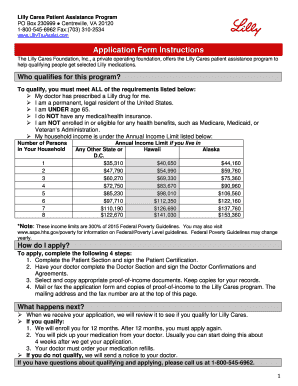
Digging Into Lilly's New Patient Assistance Program: Helpful or Another Bandaid?
There are a lot of people who would say that what's happened to me shouldn't be happening. Or couldn't be happening. How can you have so few options for insulin? With patient assistance programs, coupons, copay cards, prescription discount cards, goodRx, Walmart - there's an option out there for me. People that work in pharmacy swear by it. Right?
The point of me being vocal about my journey isn't for you to judge me for how I've gone about surviving. I do understand that there's different ways to handle what has happened to me. My story is my own, though. This is what I've done to live. And the point of me being vocal is to point out the immense flaws in our system. I want to ask the deeper questions of why 3 drug companies raise prices on insulin yearly in conjunction with each other instead of being competitive and making sure that we don't need coupons and programs in the first place to afford our medication. I want to know why they blame rising costs on "research" but then publicly defame researchers searching for affordable cures and laud expensive, technology-driven systems that will keep diabetics coming back to buy more. I want to know why they claim generics are "too hard to make". I want to know why politicians feel like people with pre-existing conditions deserve to not have healthcare coverage or die because they were tossed a bad hand at genetics, in many scenarios. And I want to know why people are so passive about it. So here's a story about how you can end up being someone like me, and how you can fall through the cracks of the system.
I think that many of you know my story up to this point, and if you don't, much of it can be found on this blog. I was diagnosed at 17 years old, and two months away from moving out of state to college. My parents are divorced and my mother is self employed. We did not have health insurance back then and we were both relatively healthy individuals. I was very fit, not over 100 pounds until I was 15, and a competitive gymnast. We don't have a big family history of major health issues. My diagnosis took us all by surprise, and we were all very unprepared for the reality of life with a chronic illness. Including the $20000 hospital bill. This all slammed me like a train when I was being discharged from the hospital and told that until my medications were purchased, I wasn't allowed to leave.
"Oh." I told the nurse. "My dad will pay for it, I guess."
I'll never forget what she said next. "Oh, honey," she said, shaking her head.
"I don't think you realize how expensive this medicine is."
And she was right. I didn't. Thankfully, though, I did qualify for Medicaid due to my condition and my age. Medicaid covered my bill, pediatric endocrinologists agreed to see me under my health plan, and my insulin was covered without a copay each month. Was it ironic that I spent my life in high school denouncing programs such as Medicaid only to come to have my life rely on it? Yes. But working in healthcare, as well as having a disease of my own, I've certainly developed many new ideals and opinions when it comes to healthcare since then. My doctor prepared me for as long as I was able to keep Medicaid and see them. Until I was 21, I stockpiled insulin and I saved as much as I could. I knew the day was coming, and I wouldn't graduate college until 23, and start working until almost 24. How would I survive until then? I thankfully did - I worked, owning my own business, and I stockpiled more, and I found people - strangers, friends - who were able to give me what they had. In undergrad, I had to lie about my insurance so that I could still get Florida Medicaid as I was required to have health care at school. My Florida Medicaid didn't cut it, but if this was discovered, I'd be forced to by the school insurance since I wasn't a resident and had to live on campus, disqualifying me from residency. The school insurance wouldn't cover my medications. I put my info in every year, saying it was Georgia Medicaid, counting on the fact that Medicaid didn't answer the phone. Nobody bothered to verify the kind of Medicaid I had. So I was able to live like that until I went to graduate school. I lived off of stockpiled insulin, some expired, and was able to keep my Medicaid until that first fall, when I turned 21. The school insurance was so expensive, I'd have had to take out another loan to pay for it. An expensive private one, at that. So to cut costs, I continued to submit my old Medicaid information. This worked until my last year of graduate school, when they found out. They made me get the school insurance, then.
It had been 2 years since I'd seen a doctor at that point. Since I hadn't had insurance, I qualified for patient assistance programs. But to qualify, my doctor had to give me a prescription and fill out an application. I had never had a primary care provider, since my parents didn't have insurance. I didn't have an endocrinologist as I wasn't a pediatric patient anymore. And seeing an endocrinologist - a specialist - involved seeing a primary care provider, paying out of pocket, and then paying additional out of pocket for a specialist who required me to also get labwork - over $500-700, when all was said and done. So I went without, and opted simply for self-managing and paying for spare insulin from other people. When I was forced to get the school insurance, I made an appointment- a 4 month wait - for an endocrinologist. I paid my $250 copay and I saw him and I cried because I knew I hadn't been managing well. I was depressed. I was rationing. My A1C had creeped up since grad school. I was running out of insulin. I was not in a good place. My doctor helped give me the push to get back on track, and he got me samples. I couldn't afford my prescriptions because my school insurance didn't have adequate coverage, but I made it.
So how did I end up here after I graduated? I felt as though I did everything right. I selected the job with the better insurance. I came to love my job. 2 months in, I learned the company was pulling out of the nursing facility I was in, leaving me the option to stay on with the nursing home under the new company, or transition with the old company, but to an outpatient setting, which I don't like. My heart is in geriatrics. I love geriatric PT, and for a gamut of personal reasons, I do love the building I work in. It is a fast-paced, high admission facility with patients with a wide variety of diagnoses and is unlike a lot of other nursing homes. I love that about it, and I've learned a lot. The company that was taking over also offered me a considerable pay raise, so despite my reservations, I opted to stay on. It was November 1. I chose an Aetna plan for the last 2 months of the year, which covered my scripts with a $40 copay, but my doctor wasn't in network. So for open enrollment for 2018, I took the survey to recommend an insurance plan for me within network with my doctor. A UHC plan came up. Before you make any judgement, please bear in mind that these months were the first in my life that I'd ever had healthcare or selected health care plans. I didn't know much about it. The plan said it covered my prescriptions with a 20% copay, and I thought this sounded reasonable, and the premium was reasonable - my Aetna plan for two people was almost $650 a month. UHC's was closer to $400. So I selected the plan and figured I didn't mind the added expense. It wasn't until January when I went to fill my prescriptions that I learned that this applied after I met my deductible of $4500 for the year. The information about the plan stated it covered my meds, but I didn't realize this was after the deductible. This wasn't going to work. I desperately called and begged HR to let me change my plan. I tried to file an appeal. It didn't work. I was outside of the enrollment period, and this involved government rules. It wasn't HR just being jerks. I understood their hands were tied. I weighed my options. My choices were to find a new job and leave the one I loved, or stick it out. I made the decision to stick it out. Since then, I've been very vocal about the disparities and the underinsured in our system. I always have been - since my diagnosis - but especially now. I interviewed for an article with Bloomberg. I've posted on social media. I've reached out to Senators to laud for witholding the pre-existing condition mandate and holding drug companies accountable for their prices.
My recent social media post went viral and I received a lot of feedback about (more) use of coupons and patient assistance programs, all of which was greatly appreciated, as anyone seeking to help is always appreciated. Prescription savings cards aren't run with your insurance, so if a savings card saves you $100, but the cost of the drug is $500-600, this is still a great deal of money. I've applied to every coupon and savings program for all of the drugs I'm on, still to encounter this problem. Walmart insulin I wrote a post on a few weeks back which I'll refer you to. But in short, Walmart provides cheap insulin manufactured from the 80's. The Reli On, aka Walmart brand of insulins (novolin or humulin, I know they sometimes switch who they carry) are the older generation of insulins, and so they don’t provide quite the same coverage for blood sugars. They have a shorter half-life than name brand insulins. Their intermediate long acting has to be taken two times a day instead of one. 70/30 is an insulin they don’t even teach most patients to use any longer, because it’s outdated, and it has a high risk of causing increased hypoglycemia because it can be effective up to 24 hours with a peak effect at 2 hours. Not to mention the obvious, they're vials that involve the use of syringes, versus other more technologically advanced methods these days. Will they keep you alive? YES! Are they an awesome, state of the art method of giving you the best glucose control without giving you an increased risk for lows? Do they give you a good quality of life? No. They keep you alive. That is all. And I like being alive, but there is no denying it's harder to control my glucose on these medications, which I have used when I've had nothing else.
Now let's move on to patient assistance programs. I automatically don't qualify for patient assistance programs because of the fact that I have insurance, but a few people brought it to my attention that Lilly, one of the three insulin companies, changed their program to cater to individuals with high-deductible plans like me. So I promised I would check into it, hopeful again that this might help. It didn't take me long into the application to realize I'm well above the income threshold, posted here:
In case it's hard to see, here's the link. The income threshold for 2 individuals, as is the case with me, is $47,790 per year. The average salary for a physical therapist is $83,000/year.
That's plenty to pay for insulin, right? Let's break that down. For the record, I'm being transparent with this because I legitimately want people to understand what it's like to crunch the numbers for yourself. That salary listed above leads to an average of $3000/per 2 week. About $600-800 of that is taxed, and then another $250 goes to health insurance + HSA contribution. Rent is $1600, then there are utilities, insurance, streaming, groceries, has, etc. I pay a larger amount on student loans to avoid compounding interest because I don't want to pay them forever, so I pay about $1100 per month. I then work gigs with my own business to supplement my income with $1000-$2000 per month.
Now imagine your health insurance pays for... pretty much nothing. Insulin is $800-1100 minimum. Not withstanding other supplies. You do the math, and tell me how much money will get saved every month. I am not below the poverty level by a long shot. I'm well into upper middle class. But I'm in the 22% tax bracket. My insulin + additional diabetes supplies costs almost as much as my rent. Does this make sense to you now? Yes, I get it, get your priorities straight. What's $1100 compared to your life? But imagine going to school for 8 years. Working harder than anything to get there. Weigh my desire for financial stability, starting investments when I'm young, and taking mental health breaks and the occasional vacation to have time to relax from consistently working 5-7 days a week. I had my first day off in 2 months last week. 2 months. Am I wrong to occasionally splurge on myself? Am I wrong to want to save my money instead?
I would argue no. And to those who would say otherwise, I would say: shame on you. I have worked hard my whole life. I have sacrificed more than you will ever know or imagine to survive with a disease I never asked for. I never asked my pancreas to stop working. I also never asked myself to sacrifice my dreams because it stopped working, either. I would never ask that of someone. And neither should you. We as Americans should not have to make choices that sacrifice financial stability or rewards for our hard work for basic life needs. Insulin is not a choice. Insulin is a NEED. If I don't have it, I'll die. Period. If prices keep raising, I'll have to keep finding ways to make do. If insurance premiums continue to be unaffordable, I'll have to continue to make do. I will sacrifice these things if it comes down to it. It will be hard. There is no debate that I will do what it takes. But is that the way I want to live my life forever?
No. I've fought this battle since I was 17 years old, and I will always fight this battle. But it takes its toll on you. The lack of stability in my healthcare journey has been a hard one wrought with anxiety, depression, rationing, eating disorders, and the like. I know I am not wrong in wishing it was not this way. Just like I know I am not wrong when I say, again, that your coupons do not work. Your patient assistance programs do not work. Insulin/Pharmaceutical companies are using these programs as a guise in which to act as though they care about helping people like me without actually doing anything to help people like me. Too "rich" to qualify for help, to "poor" to afford my lifesaving medicines. Here is an idea instead, if coupons are that effective: make the medications cheap enough so that you don't have to use a coupon to pay for them. You'll save money not having to pay people to process the coupons in the first place. And, people like me could then afford them regardless. Until this change happens, though, I will not be silent. I will continue to fight in what I believe is the only sustainable, long term option: holding drug companies accountable for continual rising insulin prices. And I hope that reading this inspires you, too.
Subscribe to:
Posts (Atom)